


This Service will be live streamed on Monday 8th June at 11.00 a.m. UK Time
Please Click To View The Service

 Alasdair Rhind
"On behalf of everyone at Alasdair Rhind Funeral Directors, may we offer our sincere condolences to all recently bereaved families visiting our website.
We offer clients a very compassionate and distinctive service. Every funeral is treated with the utmost of dignity and carried out to our client's requirements and under my personal direction."
Alasdair Rhind Funeral Directors have been providing exceptional unparalleled levels of personal customer care, respect and dignity in your time of need for over 30 years. Established in 1993, the business has grown steadily due to excellence in service and our understanding of what experiencing a bereavement means to you, especially for the first time. We can be contacted 24 hours a day, 7 days a week and provide an all inclusive Funeral Service, tailored to each family's specific requirements and all arrangements are carried out with the utmost respect for the deceased and their families.
We operate throughout the Highlands covering Tain, Dornoch, Lairg, Invergordon and outlying areas, Alness, Dingwall, Inverness and surrounding areas.
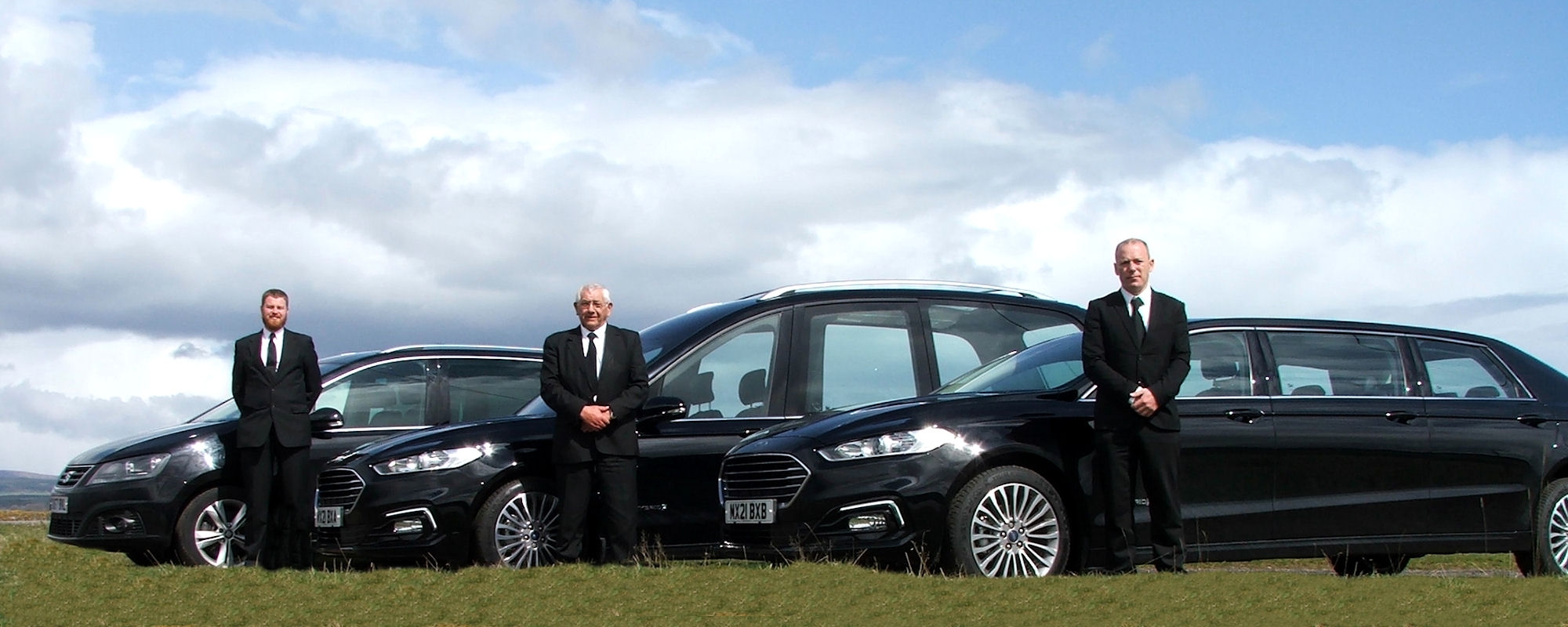
In your time of need it is important that the person you place your trust in to guide you through the coming days provides you with the dedication and attention that you and your loved one deserves. Throughout our time serving the community we have always been deeply committed to upholding the traditions of those who have passed on before us. We have a beautiful and private Funeral Home in Tain and our modern fleet of Hybrid Hearses and Limousines compliment a dignified occasion.
As dedicated professionals, we consider our position as funeral directors to be a privilege. To stand in a sensitive position at a crucial time in the midst of your family, knowing that the quality of our service and reputation will help you through the most difficult time in your life.
Much of the solid reliability of the service is due to Alasdair's forward planning ensuring that the business is fully self-contained, providing a complete bespoke, personalised service. Our reputation in the area is confirmed by the level of support we receive and emphasised by the volume of letters of thanks and appreciation for the degree of attention afforded throughout and following their time of need. More and more we find that in the process we have gained not simply a client, but more importantly we have gained personal lifelong friends.
At Alasdair Rhind Funeral Directors Ltd is an Appointed Representative of Golden Charter Limited trading as Golden Charter Funeral Plans which is authorised and regulated by the Financial Conduct Authority (FRN:965279).